"Smart charging" appears in almost every charging infrastructure quote — and means four different things there, separated by orders of magnitude in effort. What static allocation, dynamic load management, grid-serving control and price-led charging each require.
"Smart charging" now appears in almost every quote for charging infrastructure. The term is not protected and is used for at least four different techniques. For an investment decision the difference matters: between a feature a wallbox brings along by itself and one that needs a controller, a calibrated meter and a forecast lie one to two orders of magnitude in effort.
This article sorts the four stages — what they do, what they cost and where they fail.
Stage 1: static allocation
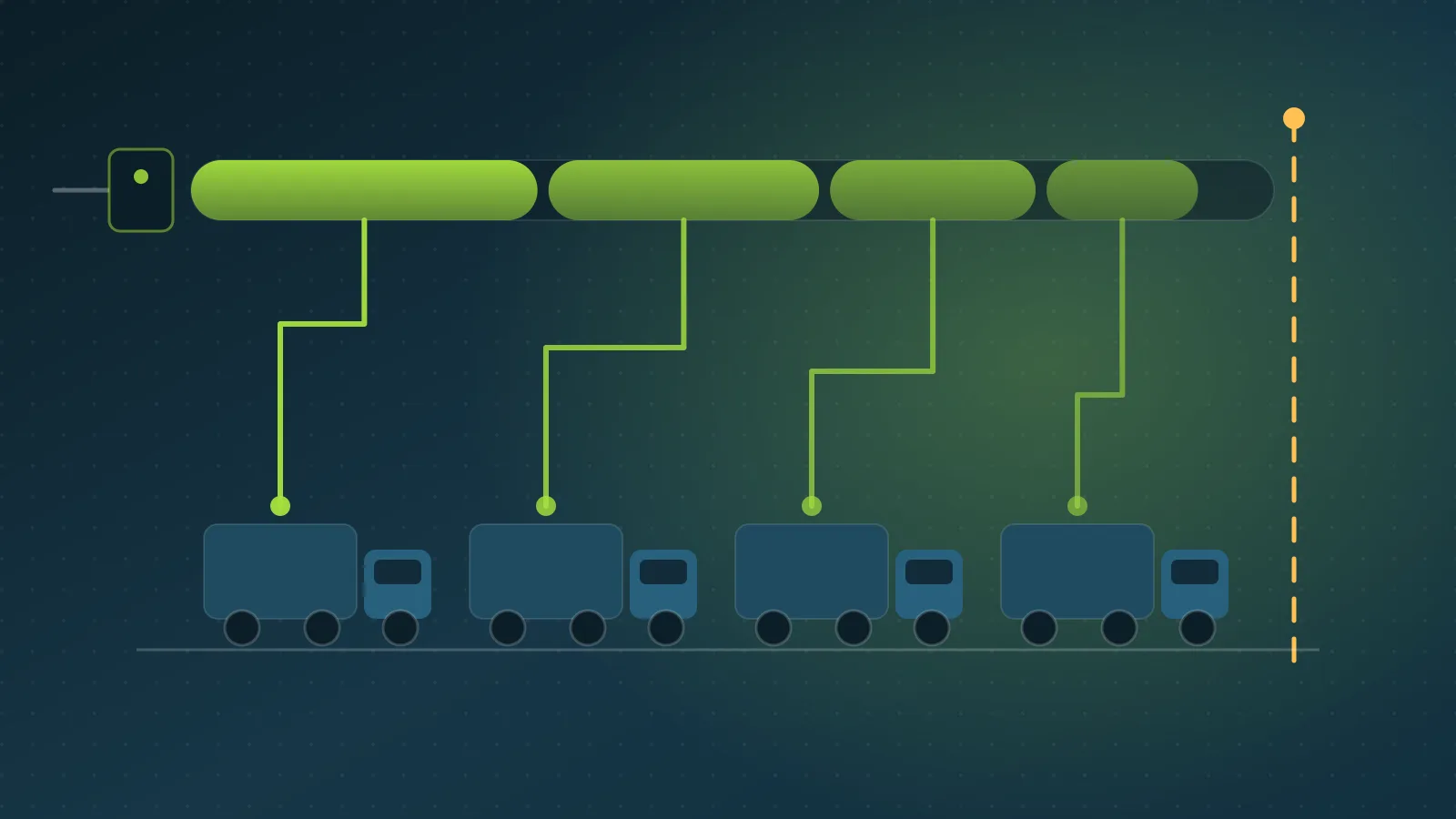
The available power is split permanently across the connected charge points. Eight charge points on 44 kW get 5.5 kW each, whether one vehicle is plugged in or eight. Some systems at least redistribute across the points actually in use.
This needs no additional meter and no link to building services — which is why it is already built into many wallboxes. The price is that it always assumes the worst case: the budget has to hold even when the building is running its peak load. In practice a substantial part of the grid connection goes unused.
Stage 2: dynamic load management
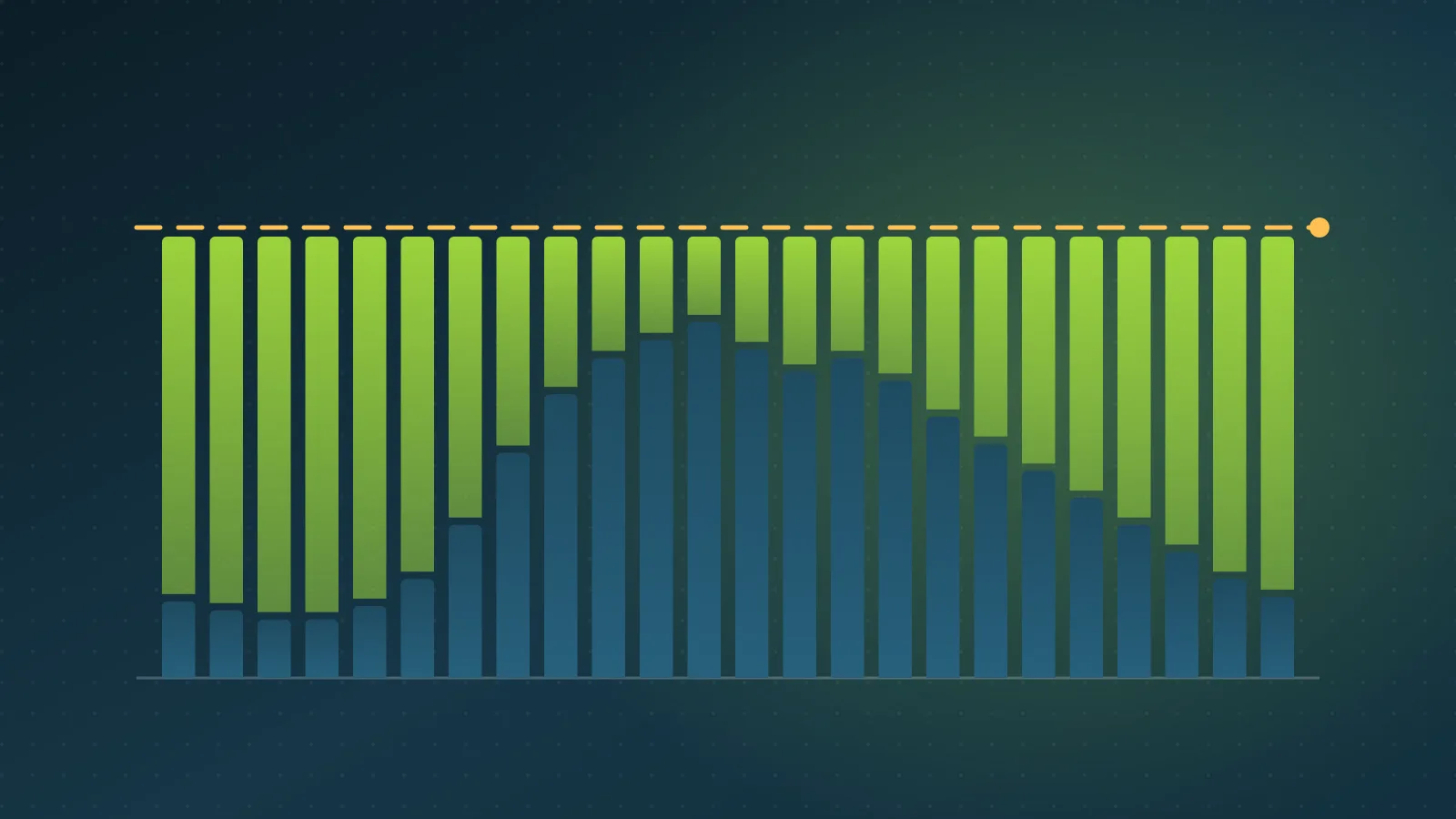
Here a meter at the grid connection point measures what the building, production and refrigeration are actually drawing. The charging infrastructure continuously receives whatever is free up to the connection limit — almost all of it at night, perhaps very little at 11 in the morning.
This is the stage at which charging infrastructure grows without a grid upgrade, and the reason the question "how many charge points fit on this connection?" is almost never answered by a division. It requires a measuring point at the connection and a controller that actually reaches the charge points — over OCPP, Modbus TCP or potential-free contacts. Mixed sites add heat pumps, PV inverters and transformers that want to be regulated along with them; that is the difference between single-stage and multi-dimensional load management, which our comparison page breaks down row by row.
How this behaves across a full charging day can be played through interactively on our load management page.
Stage 3: grid-serving control under § 14a EnWG
The Bundesnetzagentur's rules on controllable consumption devices have applied since 1 January 2024. New charging equipment, heat pumps, storage systems and air conditioning above 4.2 kW connected load must allow the grid operator to reduce them temporarily — to at least 4.2 kW, so not to switch them off. In return there are reduced grid fees, either as a flat reduction, a discount on the energy price, or through a time-variable module.
Important for planning: the grid operator may not intervene pre-emptively, only when a specific overload is imminent. And 4.2 kW is not a standstill — that is roughly 20 kilometres of range per hour of charging. At a site where vehicles sit overnight the intervention usually goes unnoticed; at a depot with a tight departure window it is a constraint that belongs in the charging schedule.
Technically this is a controllability requirement on the connection, not a cloud feature: it is met on site, by a controller that keeps regulating when the internet connection is gone.
Stage 4: price-led and generation-led charging
Only here does "smart" become what the word promises: not just how much but when charging happens. Two triggers dominate.
The first is your own generation. Surplus charging from a PV system means letting the charging power follow whatever is not being exported — technically demanding, because an inverter fluctuates by the second and a charge point has a minimum charging power it cannot go below.
The second is price. Since 1 January 2025 every electricity supplier has had to offer a dynamic tariff (§ 41a EnWG). Where such a tariff runs, "when to charge" becomes an optimisation across the next day's price curve, subject to the constraint that the vehicle is ready in the morning. What that actually earns is something we worked through in a separate article on energy trading.
Both triggers need something the first three stages do not: a forecast. Without an expectation of how load, generation and departure times will develop over the next few hours, price-led charging is a bet.
The case almost everyone overlooks
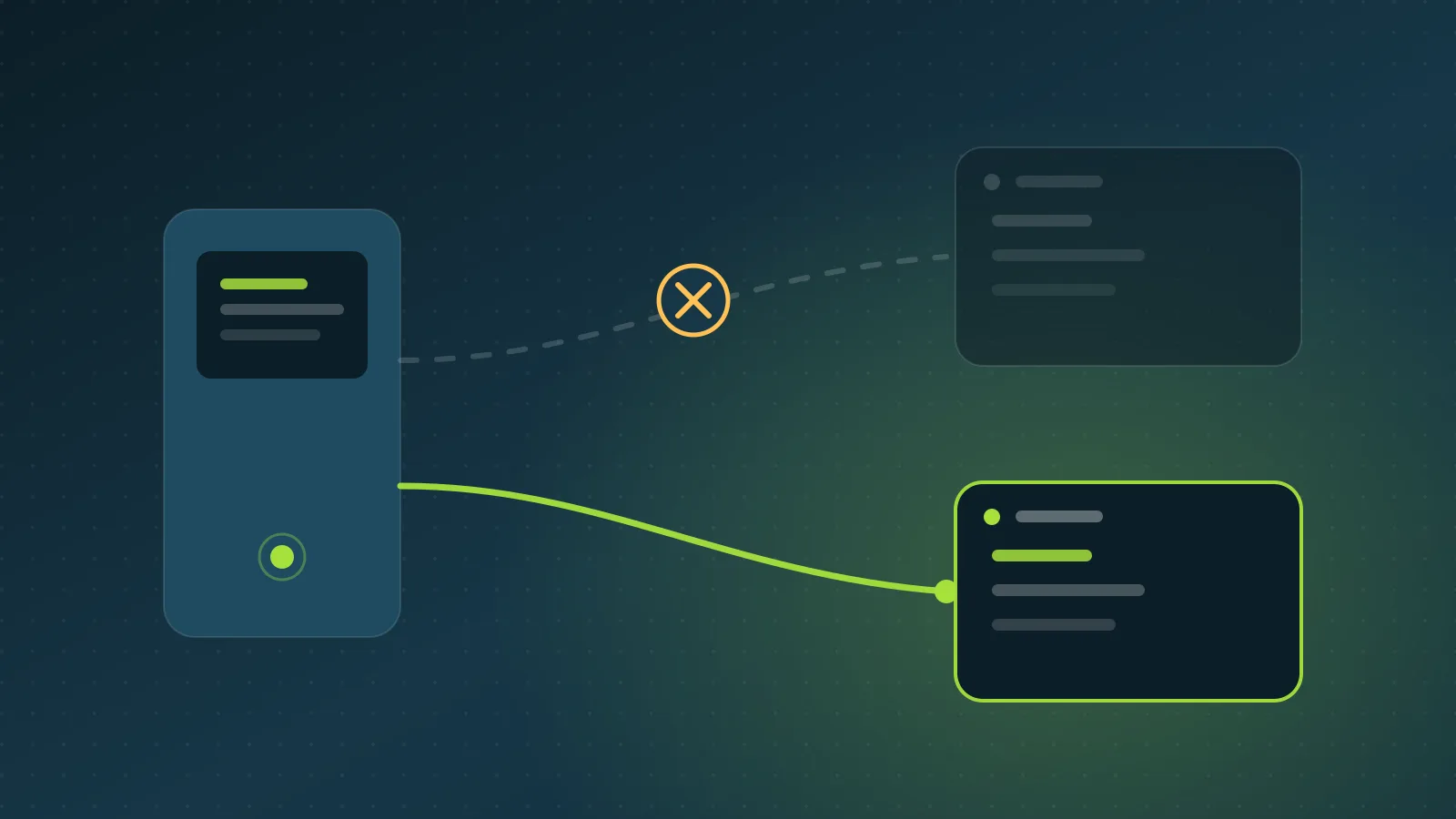
All four stages assume that something is regulating. The question is what happens when the connection to it breaks.
If the cloud link fails, a site has two options: keep charging at full power and risk the connection, or fall back to a safe minimum and effectively stop charging. At a depot with a six o'clock departure, neither is acceptable. A controller that keeps computing on site and resynchronises after the fault is therefore not a convenience feature but the condition for the other three stages delivering in operation what they promise on the datasheet.
What to check
- Which stage is your quote selling? Ask specifically whether a meter at the grid connection point is included. Without it, it is stage 1, whatever the brochure says.
- Which protocols do your charge points speak? Mixed estates are the norm. Being able to regulate OCPP and Modbus TCP side by side decides whether you can buy freely later.
- What else hangs off the connection? Heat pump, refrigeration, PV: anything not regulated has to be held back as reserve.
- How does the site behave offline? Have it demonstrated, not asserted.
- Is § 14a settled? Controllability is a precondition for connecting new charging equipment — and the grid fee reduction is money otherwise left on the table.
If you want help sorting out which stage fits your site: get in touch.
As of 8 April 2025. This article describes the technical and regulatory framework in general terms and does not replace engineering design for a specific connection.
Questions about your charging infrastructure?
We're happy to advise you on load management, incentives, and the right aCharge product.
Request a consultation