A charge point is a machine outdoors with a payment function and a data connection. Faults are not exceptions, they are daily business. Which of them should never reach a human — and the metric that decides whether a portfolio scales.
As long as an operator has one site, operations is not a topic. If something fails, someone walks over and replugs it. At twenty sites it becomes a calendar. At two hundred it becomes the question of whether the business model works at all.
The metric that decides this is unspectacular: minutes of human work per charge point per month. It appears on no datasheet, but it determines the portfolio size at which the margin is eaten up.
The fault catalogue every operator knows
What actually happens in operation is a short and repeating list:
- The charge point is offline. Congested mobile cell, hung router, reassigned IP address. The charge point itself is fine.
- A session is stuck. The vehicle left long ago; the session was never closed in the backend. The charge point counts as occupied, the next customer finds it blocked, and nothing has been billed either.
- The cable will not unlock. From the customer's point of view the worst case, because their car is trapped.
- After a restart the charge point comes back in a different state than the backend expects — meter reading, transaction number and clock no longer line up.
- A measurement record is incomplete. Without complete, signed values the session cannot be billed to the customer in a metrology-compliant way.
- The payment fails or is charged back.
- A roaming record is rejected. The partner does not accept the session and the money does not arrive.
What stands out: only two of these seven require anyone to drive to the site at all. The rest are data problems.
Four layers, of which only the top one needs a human
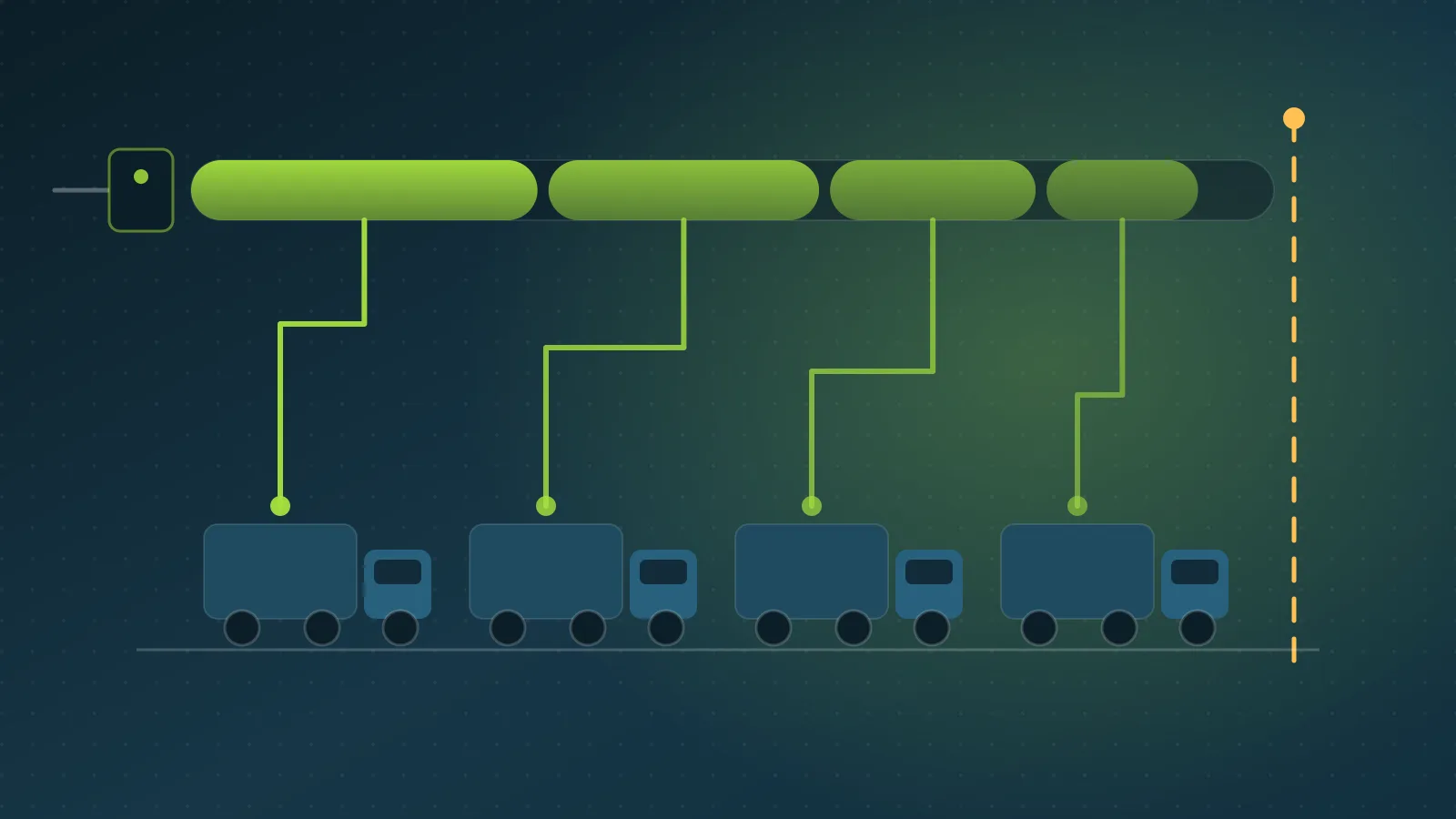
1. Detect. A charge point that stops reporting is easy to spot. The silent faults are harder: the session that has been running for nine hours although the vehicle holds 22 kWh. The charge point that is online but has had no transaction for two days although it normally has eight a day. The meter reading that runs backwards. These cases do not announce themselves — you have to look for them.
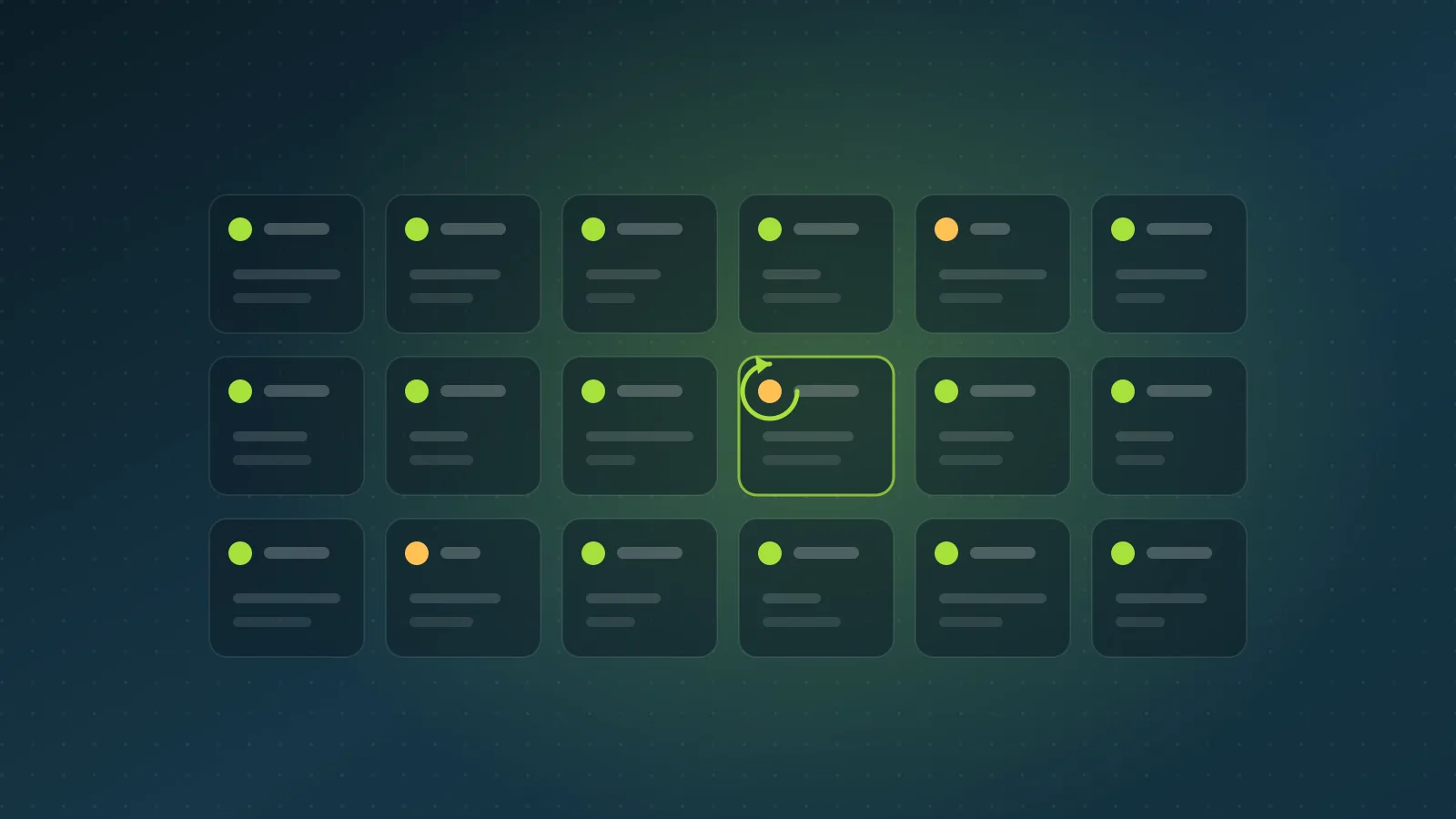
2. Classify. Not every deviation is a fault. A site whose router restarts every night at three produces an offline alert every night. If that becomes a ticket every night, everyone stops looking after two weeks — and misses the night the router does not come back. An alarm that fires too often is worse than none.
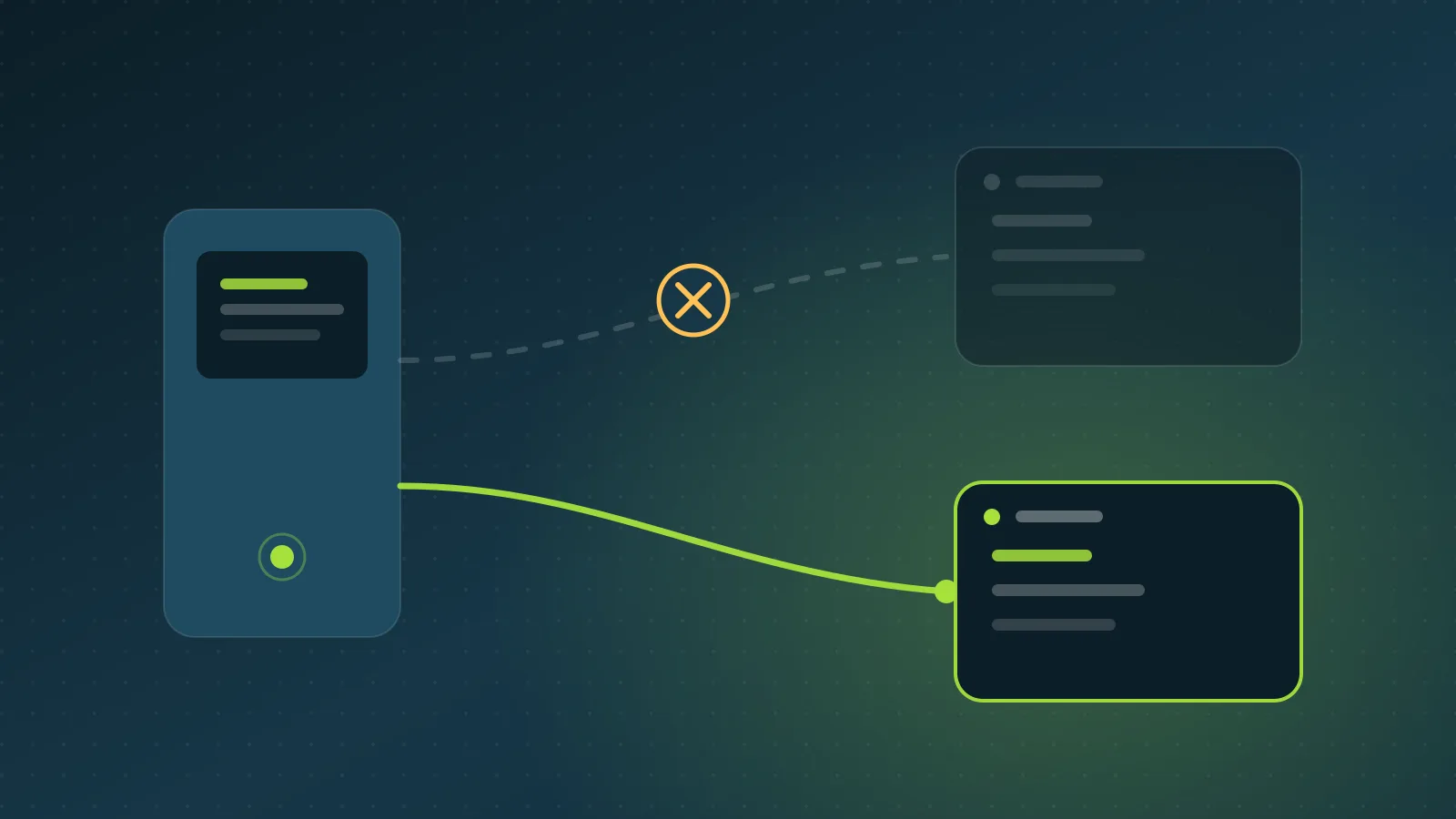
3. Fix automatically. A stuck session can be closed. A charge point can be reset remotely. A state that drifted apart during a connection loss can be reconciled on reconnect instead of waiting for a phone call. These interventions are standard OCPP — the difference is whether somebody triggers them by hand or the system performs them itself and logs it.
4. Escalate. What remains belongs to a human — but with everything needed to resolve it first time: which charge point, since when, what was already attempted automatically, and whether a site visit is required.
The part after charging
Operations does not end when the plug is pulled. Afterwards come invoicing, collection, roaming settlement and reporting — the tasks that in many organisations are a monthly ritual.
That ritual is precisely what can be automated, and completely: the metrology-compliant invoice from the signed measurements, collection by SEPA or card, payouts to roaming partners, reporting per site and cost centre. aCharge Cloud covers this chain, including automated roaming payouts over OCPI and Hubject; for day-to-day questions the Amber assistant sits inside the product.
On the equipment side, remote monitoring belongs with it: aCharge DYLAMO reports the state of the site, including the loads that are not charge points.
Availability is a number you have to supply
Another reason operations does not run on the side: availability is increasingly a figure reported outwards — to landlords, to clients in tenders, to funding bodies.
Anyone who has to quote that number has to measure it. And measuring it requires distinguishing "charge point faulty", "charge point offline but functional" and "charge point occupied" — a distinction that is lost exactly where stuck sessions are not cleaned up automatically.
What to check
- Do you know your minutes per charge point per month? If not, measure it for a month. It is the only number that says whether you can scale.
- How many alarms per week does your system produce — and how many lead to an action? A bad ratio is a finding, not a side effect.
- Are stuck sessions closed automatically? They are the most common silent cause of blocked charge points and missing revenue.
- What happens after a connection loss? Does the system reconcile the state or wait for a phone call?
- Does billing run without a monthly ritual? Invoice, collection, roaming payout, report — every manual step in there scales linearly with the portfolio.
If you would like to review your operation against this: get in touch.
As of 9 May 2023.
Questions about your charging infrastructure?
We're happy to advise you on load management, incentives, and the right aCharge product.
Request a consultation